
Fun Facts
Ever wonder why every hotel drawer has a Bible? It started in 1899 when two traveling salesmen shared a room and realized weary travelers needed comfort. By 1908, their group, the Gideons, began placing them worldwide. Check out more wild history facts here.
Word of the Day
Heteroflexible
/ˌhet-er-oh-flek-suh-buhl/ • adjective, sometimes noun
Primarily heterosexual, but open to same-sex attraction or same-sex experiences in some situations.
A label some people use when heterosexuality feels like their main identity, but not an absolute one.
I learned a new word today while reading HuffPost. The article is about the rise of the label heteroflexible, what people mean when they use it, and why some people embrace it while others are critical of how closely it stays tied to heterosexual identity.
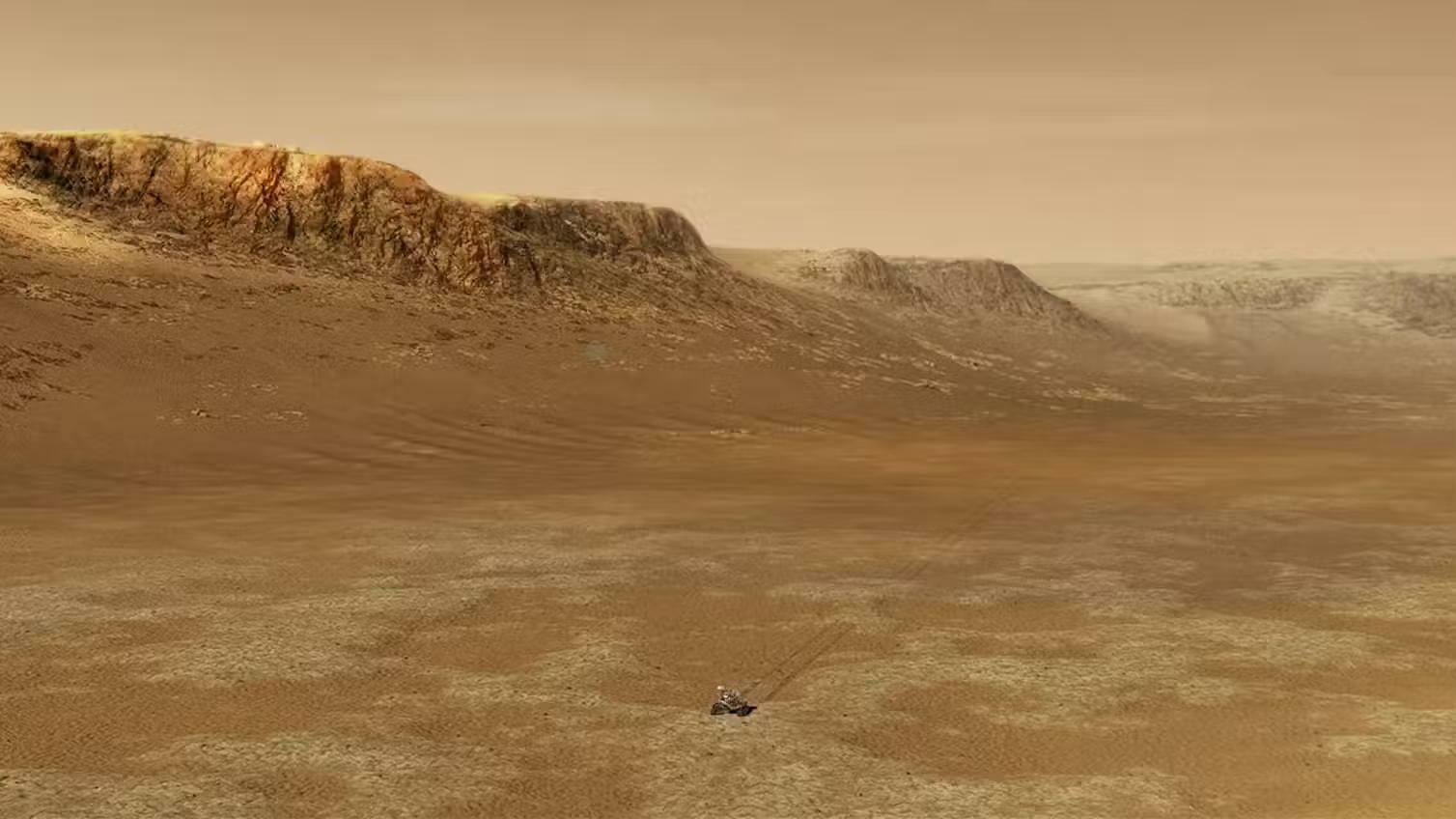
Okay, Mars just got more interesting. A new study flipped the script — ancient Mars wasn’t a frozen wasteland. It was warm, rainy, and potentially habitable for millions of years.
Perseverance found clay pebbles in Jezero Crater that tell a wild story. Researchers in Nature Geoscience say they
“likely represent some of the wettest intervals and possibly most habitable portions of Mars’ history.”
Rain. On Mars. For millions of years. 🚀
Photo: Illustration of the Perseverance rover on the floor of Jezero Crater. Credit: NASA
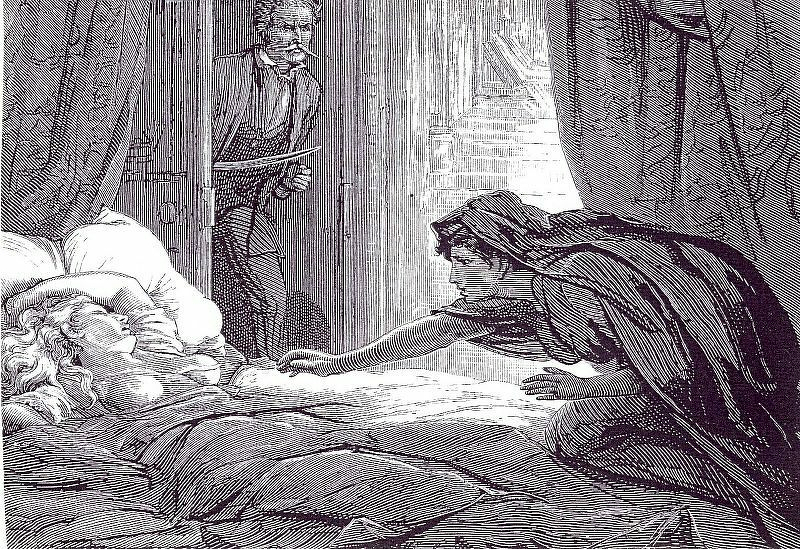
Before Dracula, there was Carmilla—literature’s first major vampire, and she was a lesbian. Published in 1872, Le Fanu’s novella features Laura’s tortured attraction to the mysterious Carmilla.
“I experienced a strange tumultuous excitement that was pleasurable, ever and anon, mingled with a vague sense of fear and disgust.”
Carmilla whispers,
“You are mine, you shall be mine, you and I are one for ever.”
The novella predated Dracula by 25 years and established the lesbian vampire archetype. Though Dracula (born 1400s) is older in his story than Carmilla (1698) in hers.
I came across this fascinating study abt how the Chincha Kingdom in Peru fertilized their way to success w/ seabird poop! They used guano to grow surplus maize, which they traded w/ the Inca for ceremonial beer. They even celebrated this in their art, showing seabirds & sprouting corn together!
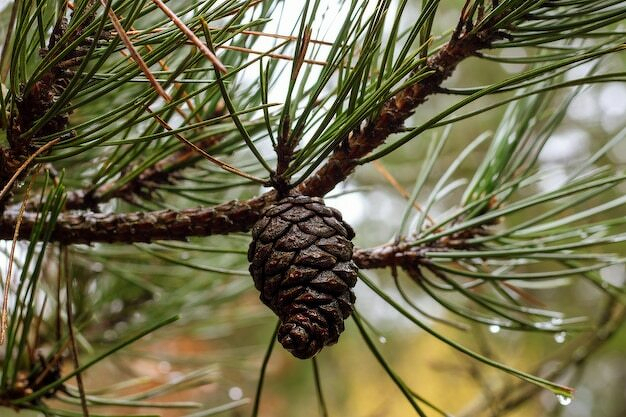
Today I learned pine cones are little weather predictors! Fascinating, isn’t it? Their scales close up when they sense humidity rising (rain’s coming), protecting the seeds inside. When it’s dry, they open back up to release seeds. Nature’s got some clever tricks.