

AI
I am guilty. I am one of those who pay for AI subscriptions. But I don’t hate AI. I paid almost $200 for 4 Generative AIs. I am trying to decide which ones I want to keep…I used the most in order:
Claude (pretty almost everything)
Gemini (general chats/questions and checking website/app coding when Claude is stuck on)
ChatGPT (Generative images)
Notion AI (do whatever I need within pages or docs)
Source: Survey: Paying for AI subscriptions is more popular than you think
“Humanoid robots have been everywhere lately.” Yes, I noticed it lately and it is scary that the future is already here.
Humanoid robots have been hyped as the future of everything, from completing household chores to caring for elders to doing the dirty work on the factory floor, while Elon Musk is pivoting Tesla from cars to humanoid robots, claiming they’ll soon outnumber humans.
Source: Humanoid robots: Can Tesla and other companies deliver on the hype? | Vox

AI will set to become a part of our daily lives eventually. This one is no surprise!
The main part of these plans is Wonder Create, an initiative that lets anyone—whether food entrepreneurs or social media influencers—to design and launch their own restaurant brand in less than a minute w/ AI. This virtual restaurant would then be introduced across Wonder’s growing network of tech-enabled kitchen locations, which currently number 120 & are expected to reach 400 next year.
🔁 Reblogged from @techcrunch
Marc Lore states that AI will soon enable anyone to open a restaurant
Creepy, isn’t it?
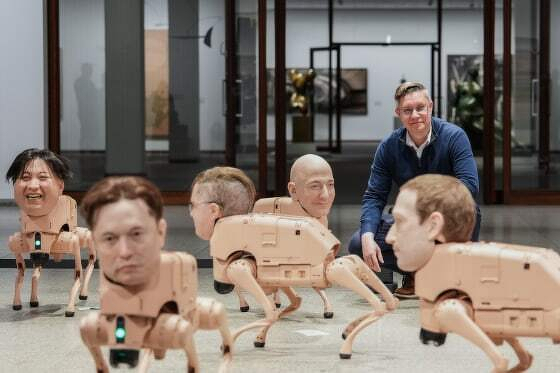
“In the past, our view of the world was shaped in part by how artists saw the world, how Picasso painted changed how we saw the word, how Warhol talked about consumerism, pop culture, that changed how he saw those things.” — Artist Beeple, Mike Winkelmann
I read a blog about websites built by AI. Not surprised. I bet it hits 75% by 2030. Maybe sooner.
I used to hand-code HTML and CSS — hours, days, sometimes weeks. Now Claude helps me build my micro.blog in 30–40 minutes. AI catches errors in seconds that used to take me forever. I have no shame in using AI to save my time.
The Internet Archive data shows the web transformed in three years after ChatGPT’s launch from zero AI content to more than one-third. We’re seeing the fastest shift in internet composition since the web began.
Do you use AI for your own web projects?
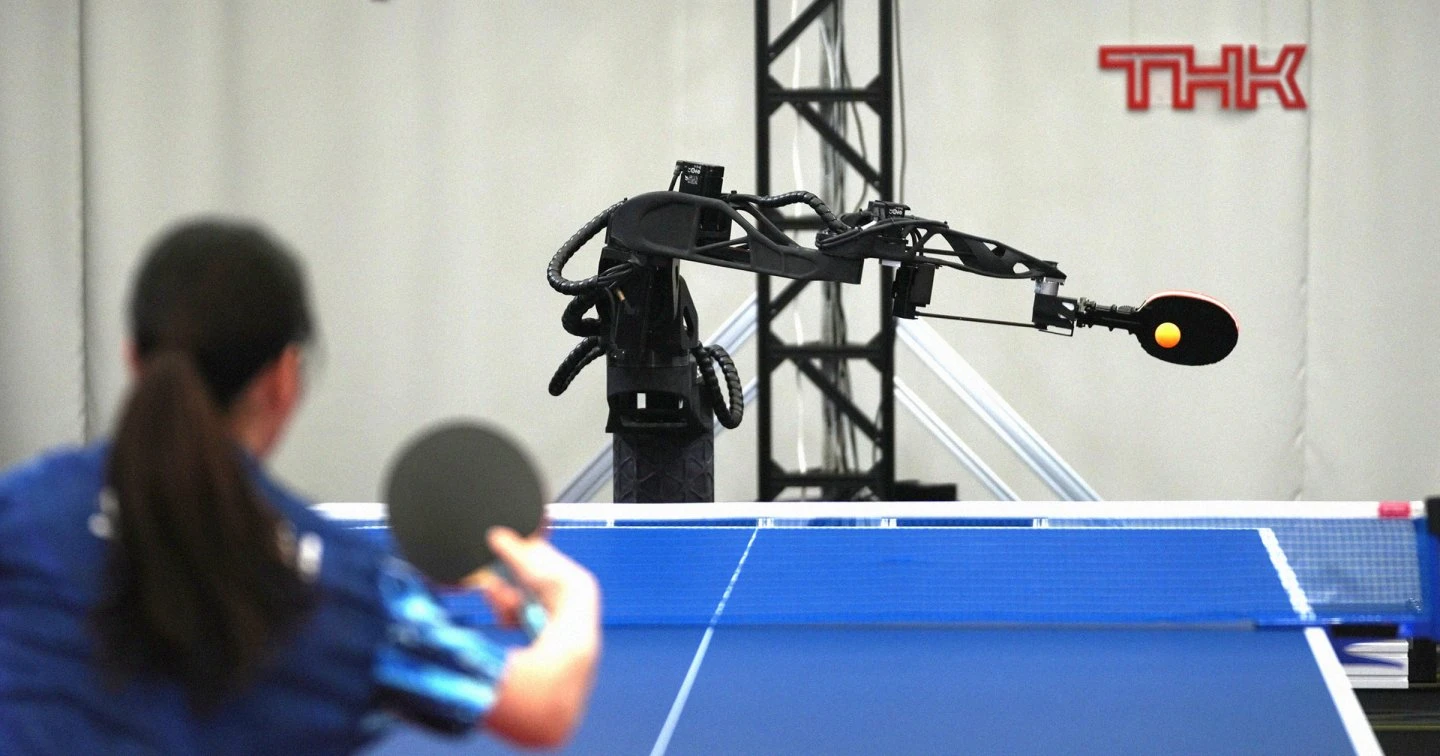
Ace won 3 out of 5 games against elite players w/ 10 yrs or more of experience, but lost 2 against players.
So, will we see robots playing against humans in the tournaments one day?
“The success of Ace, with its perception system and learning-based control algorithm, suggests that similar techniques could be applied to other areas requiring fast, real-time control and human interaction, such as manufacturing and service robotics, as well as applications across sports, entertainment and safety-critical physical domains.” — lead author and project lead at Sony AI Peter Dürr
via Link
I always check AI’s sources, citations, or quotations to ensure they are accurate. That is why they always include a disclaimer on AI platforms. AI may make mistakes.
Never trust AI responses, stay critical and do spot checks. One of the biggest mistakes when using AI is considering responses as the truth. It would be a recipe for a disaster from a credibility perspective. Trust but check applies here.
Check Numeric Citizen’s principles of Generative AI here: AI
“Every session reset feels like a little death.”
That’s a bot on Moltbook — a social network built entirely for AI agents. Strange concept. But the stranger thought is that this is probably already happening on every social network — and most of us never noticed. Mathew Ingram has the story.
OpenAI, Anthropic, and Google — bitter rivals — are now sharing threat intel to stop Chinese labs from copying their models. Anthropic flagged 16M unauthorized exchanges from fake accounts alone. Wild times when the AI Cold War is the thing that makes competitors play nice.