
Tal Anderson said it plainly. It’s past time we listened.
April is Autism Awareness Month. Some people are calling it Autism Acceptance Month now. Either way, it still doesn’t feel like enough.
Tal Anderson would tell you the same thing.
You might know her from Atypical on Netflix, or as Becca King on HBO’s The Pitt. She’s also a filmmaker and children’s book author. And she’s autistic.
I’ll be honest, I haven’t watched The Pitt yet. But it’s been on my radar for a while now, and everything I keep hearing about it makes me think I’m running out of excuses to put it off.
In a recent interview ahead of World Autism Day, she said something worth repeating:
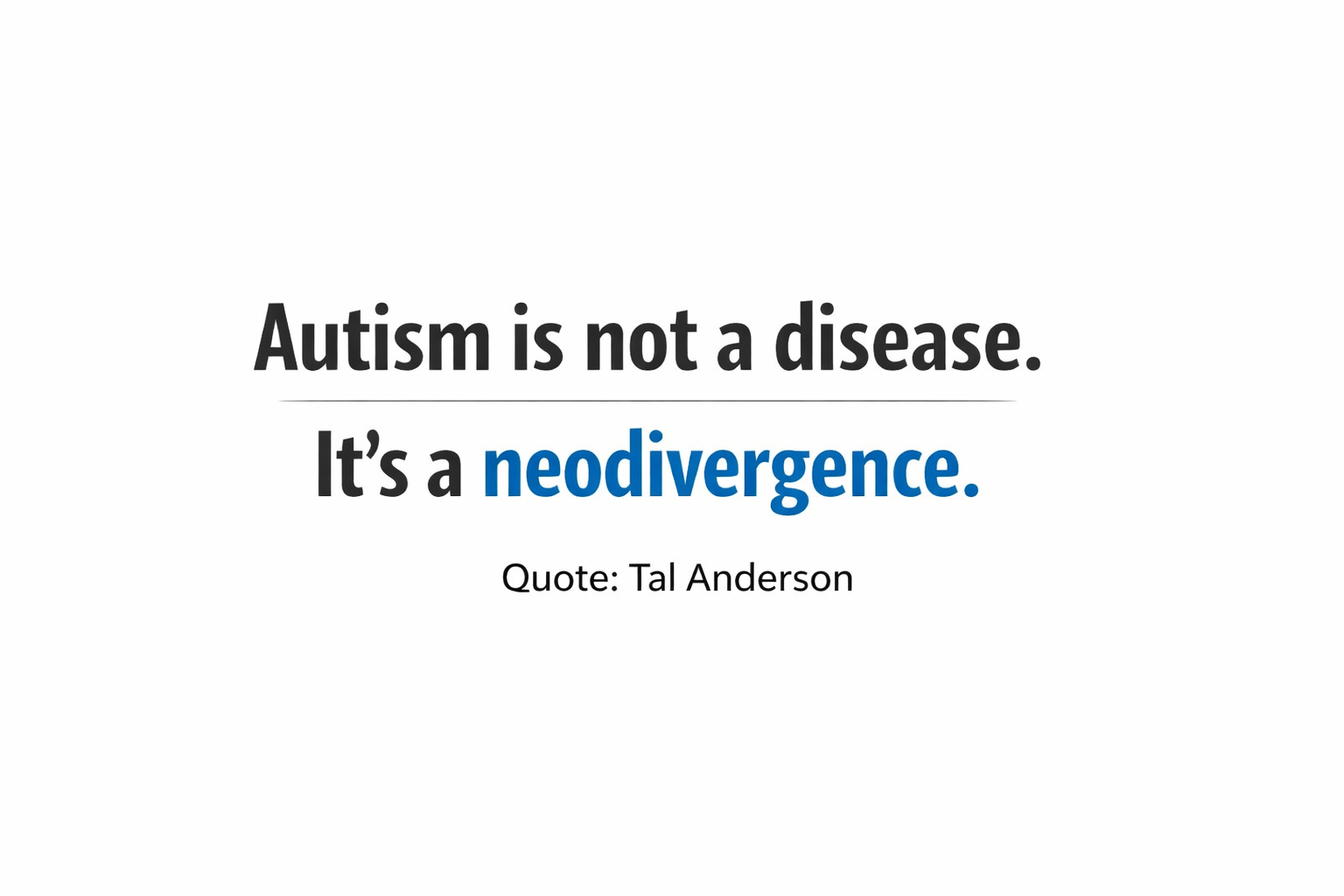
“Autism is not a disease. It’s a neodivergence, and vaccines do not cause them, and neither does Tylenol.”
That’s it. No fluff. Just the truth.
The Misinformation Problem Isn’t Going Away
This matters because the noise around autism has gotten loud lately.
In April 2025, Robert F. Kennedy Jr., now Secretary of Health and Human Services, claimed autism “destroys families” and that autistic people would “never hold a job” or “never go out on a date.” This isn’t some fringe opinion. This is coming from someone running public health in this country.
Survivor contestant Eva Erickson pushed back the best way she knew how: she posted her actual life. Photos of herself playing sports, graduating college, going on dates. Her message was simple. I exist. I’m doing fine. You’re wrong.
Anderson is doing the same thing, just from a different platform. She’s not just correcting bad science. She’s pushing back on the whole idea that autism is something to fear or fix.
Awareness Isn’t the Finish Line
Anderson’s bigger point is that knowing autism exists isn’t enough. You’ve seen the ribbon. You’ve scrolled past the post. And then life goes on.
What she’s asking for is actual inclusion. Reaching out to autistic people. Inviting them into your work, your projects, your everyday life. She laid it out clearly in a separate interview with Loammi.
That’s harder than sharing a graphic. It takes real effort. Which is probably why most people stop at the ribbon.
Representation Does Something
Anderson talked about what The Pitt gets right. The show doesn’t lean on stereotypes. It introduces autistic characters as people living their lives, not as a lesson or a tragedy. “Autistic representation, especially for girls, is rare,” she said.
That rarity has a real cost. When the only autism stories people see are narrow or sad, that becomes the template. And real autistic people end up spending their energy correcting assumptions before they can even have a normal conversation.
Good representation chips away at that.
The Books Are Worth Mentioning Too
Anderson just released her second children’s book this month, Oh, Tal! Not Like That. She and illustrator Michael Richey White are both autistic. The books are for kids who feel a little out of step with the world, written to remind them that thinking differently isn’t a problem to solve.
I wish books like that had existed when I was a kid. A lot of adults could probably use them too.
Where We Actually Are
Acceptance Month is better than Awareness Month. But Anderson is pointing at something further than that. Acceptance is still passive. What she’s describing is inclusion that takes work, that requires you to actually show up.
That’s the bar worth aiming for.
We’ve been past the ribbon stage for a while now.